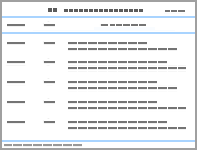
| 样本类型 | 疾病类型 | 分离方法 | 外泌体验证 |
|---|---|---|---|
| 血浆 | 细胞瘤 | 超速离心法 | 尺寸:100 nm(透射电子显微镜) 蛋白质检测:CD63(免疫印迹法) |
| 血浆 | 乳腺癌 | 超速离心法 | 蛋白质检测:CD9(免疫印迹法) |
| 血浆 | 白血病 | 超速离心法,尺寸排阻色谱 | 尺寸:100 nm(透射电子显微镜) 蛋白质检测:CD81(免疫印迹法) |
| 血清 | 乳腺癌 | 超速离心法,密度梯度离心 | 尺寸:100 nm(透射电子显微镜) |
| 血清 | 胰腺癌 | 0.2 μm过滤,超速离心法,微流控技术(ExoChip) | 尺寸:100 nm(透射电子显微镜) 蛋白质检测:CD63和TSG101(免疫印迹法) |
| 腹水 | 乳腺癌、卵巢癌、肺癌 | 超速离心法,密度梯度离心(蔗糖) | 尺寸:100 nm(透射电子显微镜) 蛋白质检测:CD9(免疫印迹法) |
| 恶性胸腔积液 | 多种癌症(乳腺癌、肺癌、卵巢癌) | 超速离心法,密度梯度离心 | 尺寸:100 nm(透射电子显微镜) |
| 尿液 | 前列腺癌 | 超速离心法 | 蛋白质检测:Alix(免疫印迹法) |